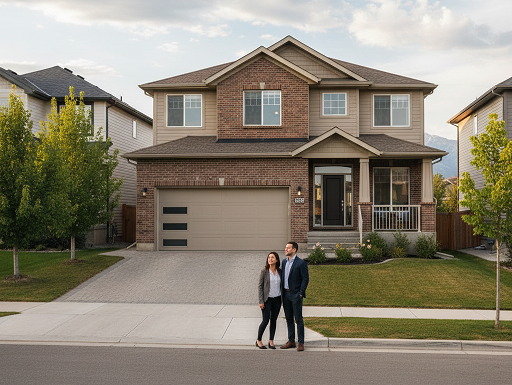
Many landlords only discover their insurance gap after a claim is denied
Insuring a rental property is not the same as insuring your primary residence. Yet many landlords in Calgary and across Alberta only discover this after a claim is denied often because the insurer was never told the property was rented. This guide explains how rental property insurance works, what coverage you actually need, common pitfalls, and how to protect yourself properly for the long term.
What is Rental Property Insurance?
Rental property insurance (often called landlord insurance) is designed for properties that are:
Key Warning
A standard homeowner policy does not provide adequate protection for rental properties.
Why Standard Home Insurance is NOT Enough for Rentals
The Critical Difference Between Homeowner and Landlord Insurance
Standard Homeowner Policy
- Assumes you live in the property
- You control daily use and maintenance
- No tenant-caused risk exposure exists
- Lower liability risk profile
Landlord Policy Required
- Higher liability exposure with tenants
- Water and fire risks increase
- Maintenance control decreases
- Claims frequency tends to rise
Failing to disclose rental use can result in:
What Rental Property Insurance Typically Covers
Building (Dwelling) Coverage
Covers repairs or rebuilding after insured losses such as fire, storm, or hail damage. Based on replacement cost, not market value.
Important:
Some types of water damage may be covered if endorsed
Landlord Liability Insurance
Covers legal and medical costs if a tenant or guest is injured on the property, or if damage spreads to neighbouring units.
Critical:
Liability claims can easily exceed six figures. Many landlords are underinsured.
Loss of Rental Income (if endorsed)
If a covered loss makes the unit uninhabitable, this coverage can replace lost rental income and help cover mortgage costs.
Recommended:
Optional but strongly recommended for landlords
Limited Contents Coverage
Covers appliances you supply, furnishings in common areas, and permanently installed equipment.
Note:
Tenants are responsible for their own belongings via tenant insurance
What Rental Property Insurance Usually Does NOT Cover
Understanding exclusions is critical for landlords
Insurance covers sudden and accidental losses, not gradual deterioration or code violations.
Common exclusions for rental properties:
Special Considerations for Calgary Rental Properties
Calgary's unique rental property risks
Rental properties in Calgary face unique challenges that require specific insurance considerations.
Legal status matters:
- Legal vs illegal basement suites
- Fire separation requirements
- Kitchen configuration compliance
- Permitted vs unpermitted renovations
Failure to disclose suite status can result in claim denial.
Basement Suites & Secondary Suites
You must disclose ALL suite information to your insurer:
Failure to disclose suite status can result in:
- Partial or full claim denial
- Coverage gaps for specific perils
- Policy cancellation at renewal
- Difficulty obtaining future insurance
Short-term vs Long-term Rentals
Insurance requirements differ significantly:
Long-term Rentals
- Standard landlord policy
- Tenant screening processes
- Fixed rental periods
- Typically lower turnover
Short-term / Airbnb
- Specialized endorsements required
- Higher liability limits needed
- Commercial risk classification
- Furnished contents coverage
How Rental Property Insurance Premiums Are Calculated
Property Factors
Tenant & Usage Factors
Coverage Choices
Common Insurance Mistakes Landlords Make
Tenant Insurance: Why Landlords Should Require It
While tenant insurance doesn't protect your building, it provides critical protection
Many landlords now require proof of tenant insurance as part of the lease agreement.
Questions Every Landlord Should Ask Their Insurer
Before insuring or renewing, ask these critical questions:
Clear answers to these questions protect you during a claim.
The HomeIQ Approach to Landlord Insurance Education
HomeIQ does not sell insurance and does not promote specific insurers
We focus on providing clear, practical education to Calgary landlords:
Education comes before quotes. Understanding comes before buying.
Final Thought
Rental property insurance is not optional, and it is not generic
If the insurer doesn't understand how your property is used they can't protect it properly.
This guide applies whether you're renting one basement suite or managing multiple investment properties across Alberta.
About HomeIQ
HomeIQ is an independent Alberta real estate intelligence platform providing clear, practical education on insurance, mortgages, legal risks, and rental ownership before and after possession.
Find Insurance Brokers Specializing in Rental Properties